Table Of Content

The oil is full of essential fatty acids, minerals, and antioxidants, all of which are great for your hair. As static hair has never been a trend, and likely never will be, what can you do to get rid of annoying flyaway frizzes? This article will help answer that question, and also offer tips on how to prevent static hair in the first place. If your hair tends toward dry or your hair is otherwise damaged, you may find that regularly using a conditioner isn’t enough to keep your strands feeling moisturized. In that case, using a deep-conditioning mask or treatment once a week or so can help restore your hair’s shine softness.
Use a Static-Reducing Product
"Metal combs conduct electricity, which helps remove electrical particles from your hair, whereas plastic combs can increase hair static," says Fitzsimons. You can also opt for combs made from wood or bamboo—just know that plastic is an insulator, which means it's a poor conductor of electricity (i.e., electric charges can easily build up on the surface). Lavoy also recommends an ionic hair dryer, like the T3 Cura Hair Dryer, because the ions neutralize static electricity (and help the hair to dry faster, too!). Plastic brushes tend to generate more static electricity, so they're more likely to have your hair standing on edge. If you can, swap your plastic brush out for a wood or natural-bristled one to reduce static. Or, you can spray a light mist of static guard over your brush—just know that a heavy coating will make your hair greasy.
500+ Shoppers Swear By This Expert-Recommended Serum For Longer Hair + It's 25% Off
Static happens when two objects rub up on each other, causing electrons to be transferred from one to another. This swap causes a kind of electric charge to build up on your hair. However, if there isn't enough moisture in the air or your hair, this charge makes your strands repel from each other like two wrong ends of a magnet. While acting as a moisturizer for dry hair, avocado oil may also help seal your hair cuticle—protecting your strands from future breakage.
Trying Quick Fixes
It’s been impossible to escape how dry it’s been in Southern California — from fire danger to cold mornings to static electricity, the parched air at the surface impacts all of us. Synthetic materials, especially nylon and polyester, will charge up real quick and contribute to your static hair situation. So if your jacket, scarf, hat, or sweater contain these materials, it's more likely that you will experience static hair. Instead, try opting for materials like cotton, wool, or silk to reduce the amount of static. If there is an overwhelming amount of static hair, try wetting your hairbrush, or put some water in a spray mister bottle and spritz it on your hair to smooth it down. When all else fails, rocking a braided updo is a great way to hide static hair.
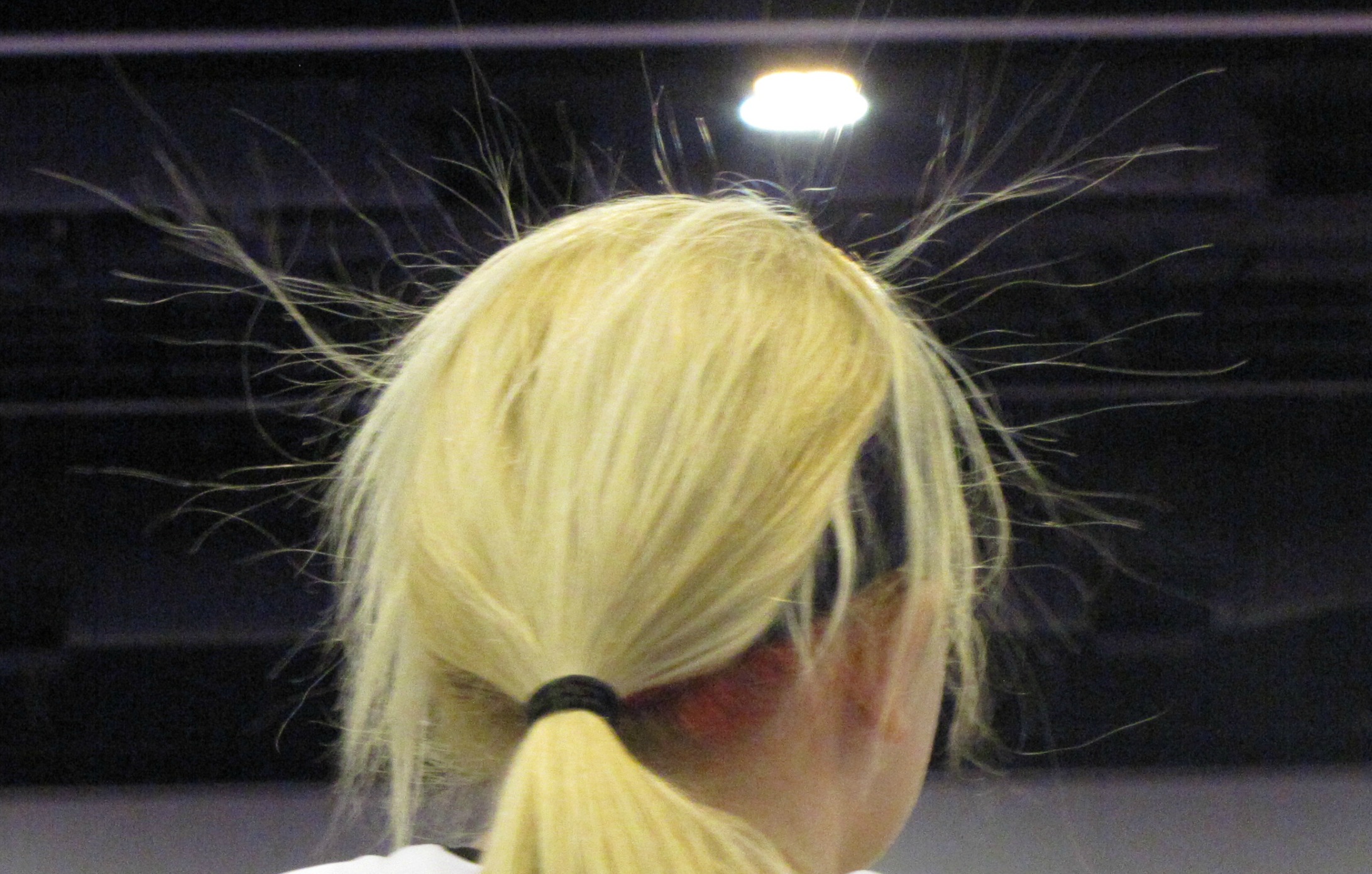
Either buy specially formulated static hair products for your hair type in stores or venture into your kitchen and use cooking oils like olive oil or coconut oil. Don’t go overboard with application, a small amount will go a long way. You know those Bounce sheet things your mom always puts in the dryer when she does laundry?
Woman warned she was in danger after showing 'innocent' photo of herself with static hair - LADbible
Woman warned she was in danger after showing 'innocent' photo of herself with static hair.
Posted: Mon, 28 Aug 2023 07:00:00 GMT [source]
Say adios to those hair-raising electrons with the R+Co Foil Frizz + Static Control Spray. This styling product features a moisturizing trifecta of argan oil, vitamin E, and the brand's proprietary thermal polymer (otherwise known as silicone) to give any hairstyle a smoother, sleeker effect. If your hair is still parched post-styling and the static is stubbornly persisting, try a very light, leave-in product such as éprouvage Replenishing Leave-In Conditioner. “Spritz a little bit on your fingertips and run down the mid-lengths and ends of your hair, and pat your part ever so lightly,” says éprouvage Global Artist Anna Lyles. “It won’t weigh hair down, but instead will add the hint of moisture you need to calm out of control static,” she says. Spritz your strands with a bottle of hair water, like Kristin Ess The One Signature Hair Water ($10; target.com).
Try a Hair Serum to Tame Flyaways
Not only do they make your bedsheets smell amazing, they also work like magic in de-static-ing (ok clearly that's not a real word, but you get it) your hair. It will actually neutralize the charge and rid you of your static hair. Daily hairbrushing could be the sneaky cause for your frequent static strands because brushing hair, especially if you have thin hair, causes friction which creates static. If you need to use a brush, try giving your brush a few spritzes of water with a spray bottle before running it through your hair. It doesn’t have to be super wet, just enough to counteract the dry conditions that static loves.
Towels can give you static hair or flyaways
Instead of heavy, dense oils, the formula opts for a lightweight babassu oil that intensively conditions without over-slicking the hair. Firstly, adding hair oil into your routine before stylising can lock in moisture and reduce frizz and flyaways. But a handy hack to stop static hair, is to take a drop of oil, rub it between your palms and then smooth down your hair with your lightly oiled hands, avoiding the roots. Static can also result from two unlike materials rubbing against each other, causing electrons to be transferred from one surface to another. So your wool winter wardrobe can easily transfer positive electrons onto your hair, which can’t conduct electricity well and ends up with charge build-up.
It tends to happen during colder months since dry, wintry conditions can exacerbate the static. "Electric charges don't flow through water, so atmospheres without any humidity will result in much more hair static," says hairstylist Miko Branch, co-founder of hair care brand Miss Jessie's. "Dry, damaged hair is more prone to static, as it lacks the moisture to repel electric charges." However, if you’re short on time opt for an ionic hair dryer versus a regular hair dryer. This styling tool is incredibly useful and will not only dry your hair faster and cause less damage, but the negative ions from the dryer will neutralize the positive ions which is how to get rid of static hair.
Ionic blow dryers emit negatively-charged ions that attach themselves to your positively-charged hair for a neutralizing effect. This helps seal the strands' cuticles to retain moisture and dry hair faster, minimizing damage. These dryers can come a bit pricey, but it's definitely worth the investment if you use a lot of hot tools, like curling wands, on your hair. We recommend the Bio Ionic 10X Ultralight Speed Dryer ($295; sephora.com). Using a hair detangler like Ouai Leave-In Conditioner can also help tame the frizz and help protect tresses from heat damage.
Static hair in winter is endlessly annoying, but there are some easy ways to combat it. First, do everything in your power to moisturize your hair during winter. Before styling, use a weightless, repairing leave-in formula like the Living Proof Restore Instant Repair Lotion. Russell Salon in Palm Springs, California, recommends applying Moroccan Oil from the mid-shaft to the ends of your wet hair.
While you may address some of the causes and minimize the damage to your hair, you cannot control the weather and cancel winter time. This is why, get ready to fix the problem with proper hair care routine and useful hacks. Here are 10 simple steps I actually use that will sure help you tame your static hair too. After shampooing and conditioning, apply one to two pumps to damp hair to distribute evenly and heat style as usual.
Static hair occurs when your hair builds up an electric charge, meaning it has gained some extra electrons thanks to friction or a change in humidity. That makes the strands of your hair repel each other, leaving your hair frizzy and difficult to style. Plus, the elements, a lack of moisture in the air, and heated indoor environments can all exacerbate static hair.


No comments:
Post a Comment